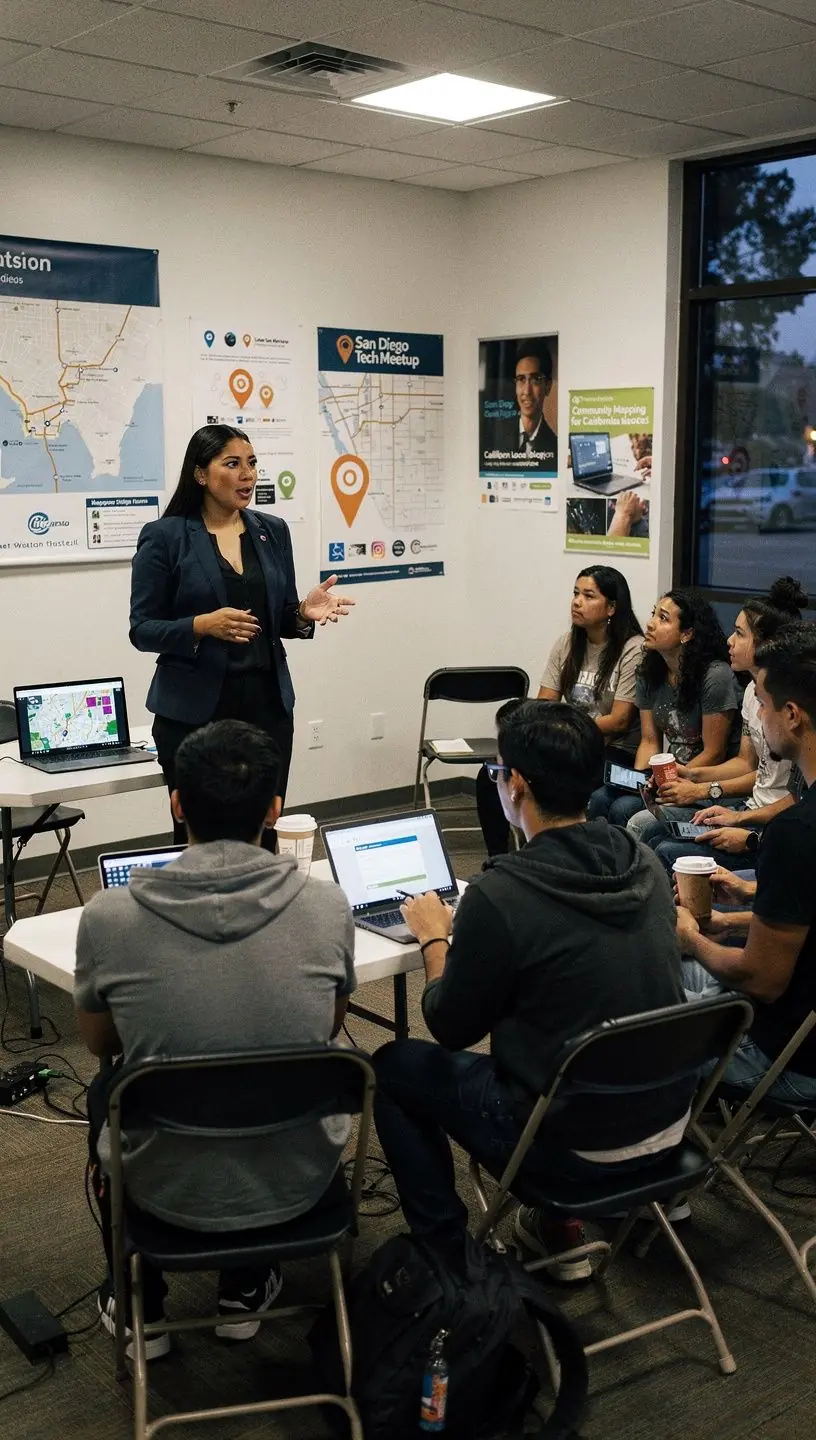
Exploring the Intersection of Technology and Local Governance
As technology continues to evolve, its integration into local governance presents unique opportunities and challenges. Understanding how this intersection operates can empower communities and enhance public services. This article explores the practical implications of technology in local governance, providing insights into community engagement and service delivery.
Understanding the Role of Technology in Local Governance
According to research by the International City/County Management Association, many local governments are increasingly adopting technology to improve operational efficiency and citizen engagement. Initiatives often include the implementation of data-driven decision-making tools, online platforms for public feedback, and mobile applications for city services. The principle behind this shift is that leveraging technology can foster transparency and accountability, which are essential in modern governance.

"Technology can bridge the gap between governments and citizens, fostering a more inclusive dialogue." — Local Governance Expert
Practical Applications of Technology in Local Governance
Local governments can effectively utilize technology in various ways:
- Data Analytics: Many municipalities employ data analytics to assess community needs and allocate resources efficiently. This approach may improve service delivery by approximately 15-25% based on various studies.
- Public Engagement Platforms: Implementing online portals allows citizens to provide feedback on local issues. Research indicates that communities that actively engage in these platforms typically see a 30% increase in citizen satisfaction.
- Mobile Applications: Developing mobile apps for reporting issues such as potholes or street lighting can lead to faster response times. Studies show that cities with these applications often resolve reported issues up to 40% quicker than those without.
Challenges and Considerations
While the benefits are compelling, integrating technology into local governance is not without its challenges. Many municipalities face budget constraints and a lack of technical expertise. Furthermore, the commitment to maintaining these systems typically requires ongoing training and support for staff, which may take 2-4 weeks of dedicated effort.
Experts recommend that local governments assess their specific needs and capabilities before implementing new technologies. Solutions that work best often align with the community's existing infrastructure and citizen engagement levels.
Conclusion
The intersection of technology and local governance offers significant potential for enhancing community engagement and improving public services. However, realistic expectations regarding time commitments and resource allocation are essential. By adopting a measured approach, local governments can utilize technology effectively to address their constituents' needs while enhancing transparency and accountability.