How Community Mapping Services Enhance Urban Planning
In recent years, community mapping services have gained momentum as essential tools for urban planning. These services not only facilitate local engagement but also provide valuable data that can inform effective decisions. Understanding their impact may help cities in Canada (CA) utilize these resources to enhance urban development.
Understanding the Role of Community Mapping
Community mapping involves the collaborative process of creating maps that reflect the needs, resources, and aspirations of local communities. According to research from the Institute of Urban Studies, engaging residents in mapping efforts can improve urban planning outcomes by fostering greater community involvement and ensuring that development aligns with local priorities. This works because when residents participate in the mapping process, they share their unique insights and experiences, leading to solutions that may be overlooked by traditional planning methods.
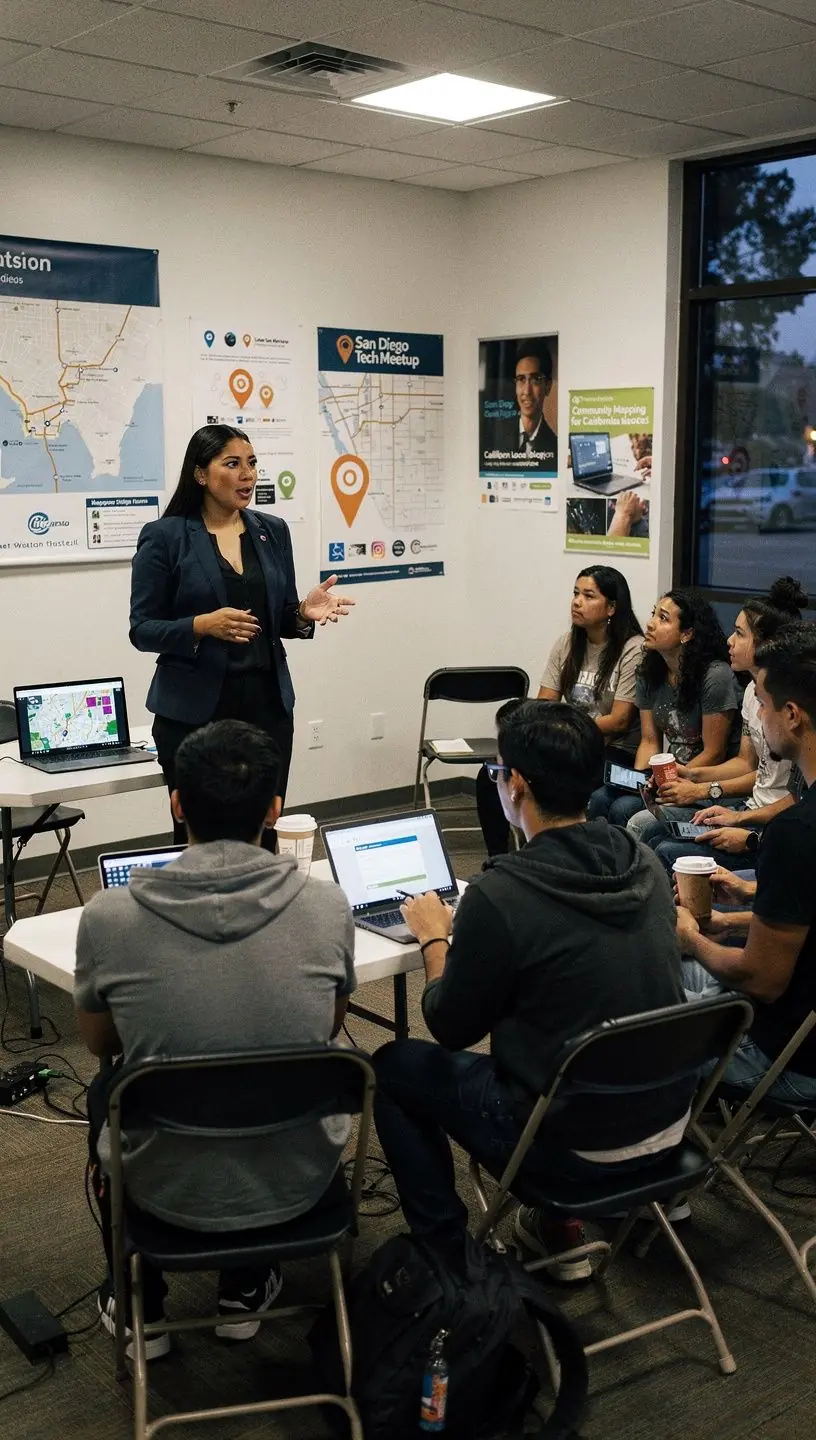
"Community mapping offers a platform for citizen engagement that helps planners understand the intricacies of local neighborhoods." - Urban Planning Expert
Applications of Community Mapping in Urban Planning
Community mapping can be applied to various aspects of urban planning, including:
- Identifying Local Needs: Mapping services often highlight areas needing infrastructure improvements or social services, helping planners prioritize projects effectively.
- Resource Allocation: Data collected through community mapping can inform resource distribution, ensuring that funds are allocated to areas with the highest demand.
- Encouraging Community Engagement: By involving residents in the planning process, cities often report increased support for urban projects, leading to smoother implementation.
Challenges in Community Mapping
While community mapping has proven beneficial, it is essential to acknowledge its limitations. Implementing a comprehensive community mapping initiative typically requires:
- Time and Resources: Developing a robust mapping service often takes several months and may require dedicated personnel to facilitate community engagement.
- Prior Knowledge: In many cases, community members may need training on how to effectively use mapping tools, which can involve a learning curve.
- Data Accuracy: The effectiveness of community mapping largely depends on the accuracy of the data collected, which can vary based on participation levels.
Conclusion
Community mapping services present a dynamic approach to urban planning that emphasizes local engagement and data-driven decision-making. While these services can enhance urban development, cities must be prepared to invest time and resources to ensure their success. In most cases, the benefits of informed, community-driven urban planning can significantly outweigh the challenges, leading to more vibrant and responsive cities across Canada.